


Choosing the right horse rug for winter can feel confusing, especially when every yard seems to have a different opinion on what a horse should be wearing. Some horses barely need a rug at all, while others may need more support through the colder months depending on their workload, age, condition, and living routine.
Although horses are naturally well equipped to cope with cold weather, domestication, clipping, stabling, and modern management all affect how well they regulate their body temperature. That is why choosing the right winter rug is not simply about the outside temperature. It is about understanding your horse as an individual and considering a range of practical factors.
If you are wondering how to choose the best winter horse rug, here are the main things to think about.
Horses Can Cope Well with Cold Weather
It is easy to compare horses to ourselves and assume they must feel cold because we do, but horses are naturally much better adapted to lower temperatures than humans. In general, horses are comfortable within a much wider temperature range than we are, especially if they have a full winter coat and are in good condition.
However, while this natural ability is important, many of our horses no longer live in the same way they would in the wild. This means that factors such as clipping, stabling, grooming, and management can all change how much help they need to stay warm and comfortable.
Domestication Changes How Horses Cope with Winter
Wild horses are able to grow thick winter coats, move around constantly, and graze freely throughout the day and night. Domestic horses often live very differently. Many are stabled for part of the day, groomed regularly, fed managed diets, exercised in work, and clipped during winter.
All of these things can reduce the effectiveness of a horse’s natural winter defences. That is why some horses need additional support in the form of stable rugs, turnout rugs, or rug liners during colder weather.
Clipping Makes a Big Difference
A horse with a full winter coat is usually very good at keeping warm, but for horses in regular work, that coat can become a disadvantage. Thick coats often lead to sweating during exercise, making it harder for the horse to cool down afterwards.
For this reason, many owners choose to clip their horses through winter. Once clipped, however, the horse loses some of its natural insulation and will generally need more rugging to help replace the warmth that the coat would otherwise provide.
If your horse is clipped, this is one of the biggest factors to consider when choosing the right winter rug weight.
Condition and Age Matter Too
Staying warm uses energy, so winter can be more difficult for horses that struggle to maintain their weight. Older horses, poor doers, or horses in lighter condition may benefit from extra warmth to help them conserve calories and stay comfortable.
A well-chosen rug can play a useful role in supporting condition through winter, especially when combined with appropriate feeding and management.
Grooming and Coat Condition
A horse’s natural coat contains oils that help create a waterproof barrier. This is why horses can often look wet on the surface while the coat underneath remains dry and warm.
Over-grooming during winter can strip away some of these natural oils, reducing the coat’s ability to repel water. For horses living out, a good waterproof turnout rug can help protect them from wet weather, particularly if they are groomed regularly or clipped.
Turnout and Stabling Routine
Movement helps horses stay warm. A horse that is turned out and able to walk around freely will often generate more body heat than a horse standing still in a stable.
This means that stabled horses may need slightly more support overnight, especially during colder spells. When deciding on rug weight, it is useful to think not only about the temperature, but also how much time your horse spends moving around versus standing in.
Know Your Horse as an Individual
Every horse is different. Some horses feel the cold more than others, while some naturally run warm and need less rugging than you might expect. Breed, age, condition, workload, coat type, and temperament can all influence what is right.
That is why the best approach is to use any rug guide as a starting point, then adjust according to how your own horse feels. Checking behind the shoulders, under the rug, and around the ears can help you judge whether your horse is comfortable.
Stable Rugs, Turnout Rugs, and Layering Systems
When building a winter rug wardrobe, flexibility can be especially useful. Rather than relying on lots of separate rugs in different weights, many riders now prefer layering systems that allow them to adapt their horse’s rug according to the weather.
This can be a practical and cost-effective option, especially during periods of changeable weather when temperatures shift between milder days and colder nights.
Our Winter Rug Recommendation
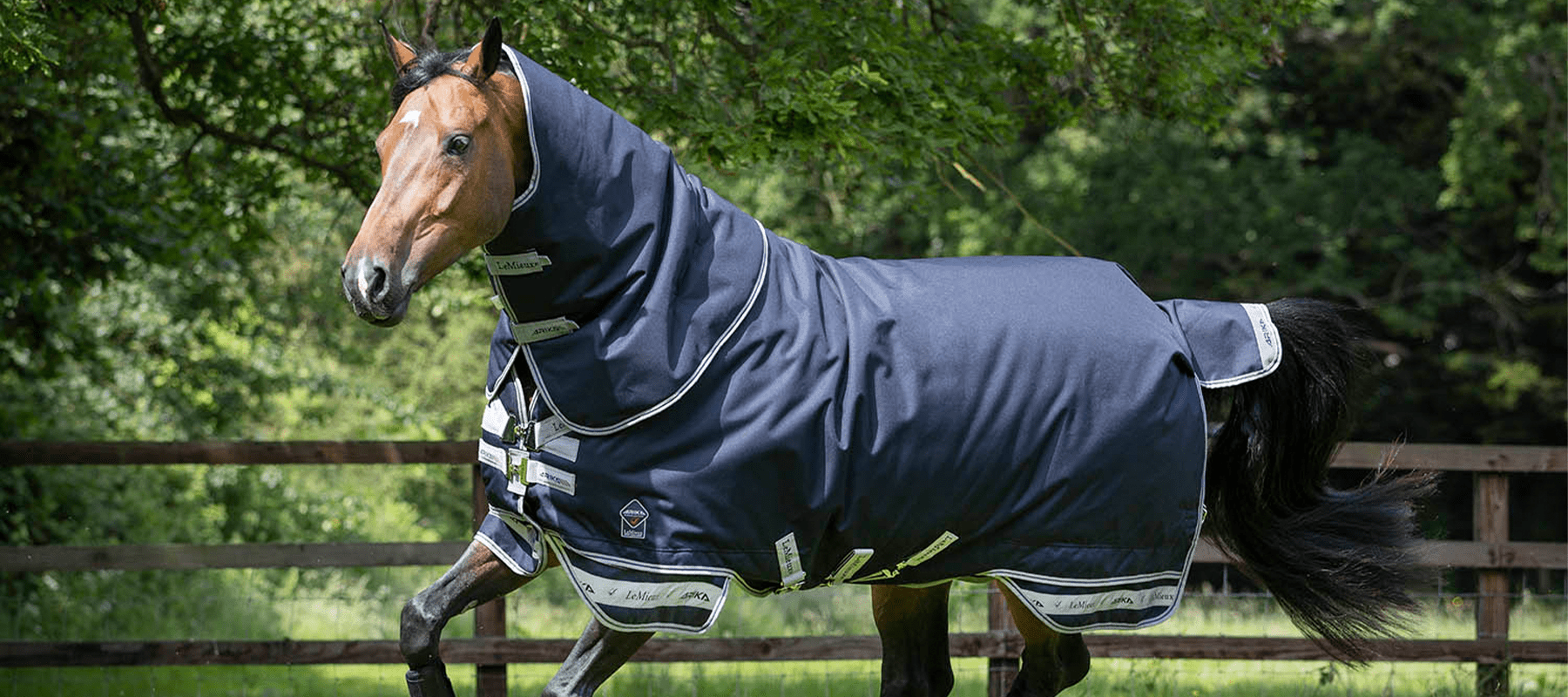
The LeMieux Arika rug range is a great option for winter rugging, particularly for riders looking for a flexible layering system. Designed with a practical liner system, these rugs allow you to add or remove layers depending on the temperature, which can be more convenient and more economical than buying multiple rugs in different weights.
The range includes both turnout rugs and stable rugs, along with compatible liners to help you adjust warmth as needed. For many horses, a midweight rug combined with an optional liner can provide a versatile solution for the colder months while helping save both storage space and money.
Shop Winter Horse Rugs at Equiflair
If you are looking for the best horse rugs for winter, Equiflair offers a carefully selected range of turnout rugs, stable rugs, and rug liners to suit different horses and management routines.
Whether you need a rug for a clipped horse, a flexible layering system, or practical winter horse wear designed for comfort and protection, explore the latest rug collections at Equiflair and find the right option for your horse this winter.

Share:
Christmas Gift Ideas for Horse Lovers
How to Stay Motivated with Your Horse During Winter